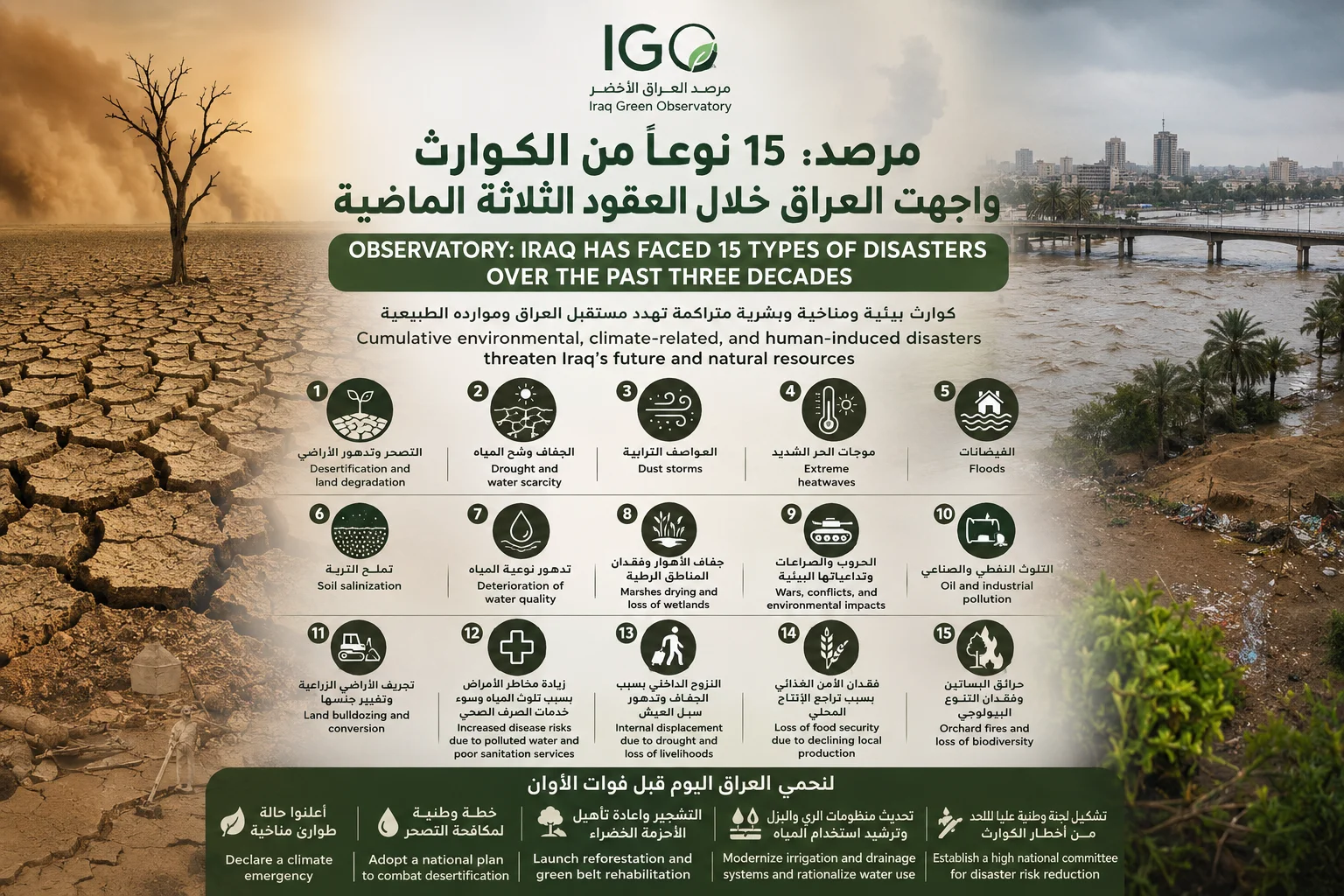
The Iraq Green Observatory (IGO) has revealed that it has documented 15 types of environmental, climate-related, and human-induced disasters that have affected Iraq over the past three decades.
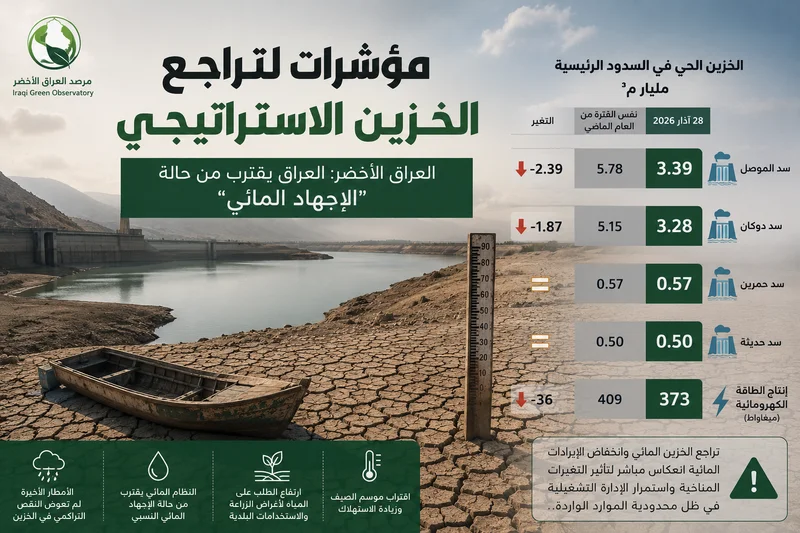
The Observatory stated that Iraq has experienced a series of cumulative disasters during this period, resulting in severe degradation of natural resources and ecosystems, contributing to declining agricultural production and increasing pressure on the country's water resources.
It added that the latest national data indicate that approximately 55.5% of Iraq's land area is threatened by desertification, while 23.2% of the country's total area is classified as degraded land, reflecting the scale of the environmental challenges facing Iraq.
The Observatory also noted a significant increase in the frequency of dust storms and dusty days in recent years, alongside the shrinking of green spaces and worsening soil degradation caused by salinization and erosion.
According to the Observatory, the most prominent climate and environmental disasters affecting Iraq include desertification and land degradation, drought caused by the sharp decline in river water inflows, dust storms, extreme heat waves, and floods resulting from climate variability and seasonal rises in river water levels.
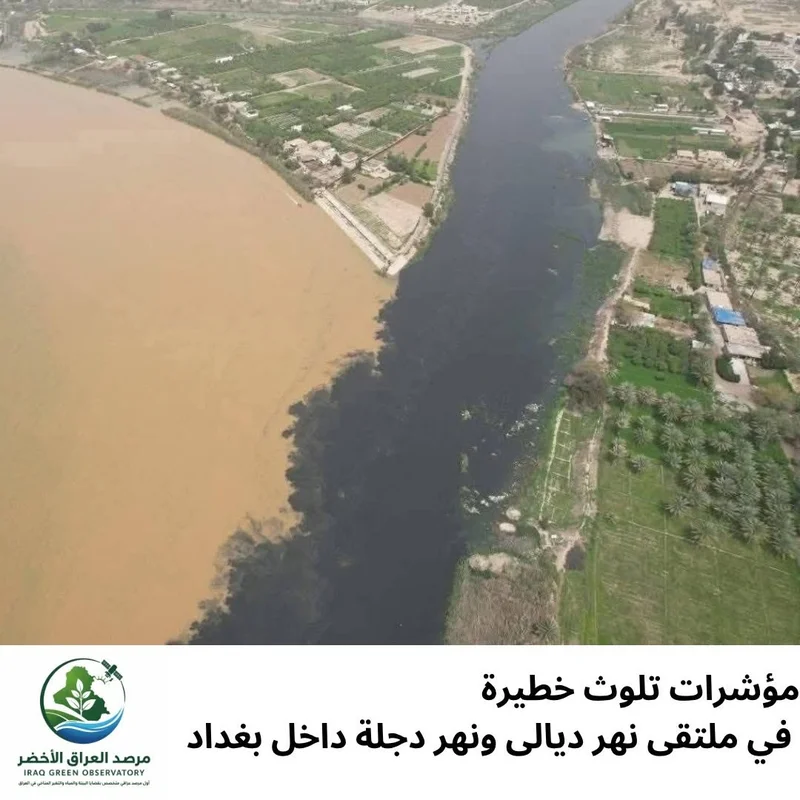
It further explained that soil and water-related disasters include soil salinity, now one of the most serious threats to vast agricultural areas, deteriorating water quality due to increasing salinity and pollution, and the drying of Iraq's marshlands, leading to the loss of vital wetlands and key sources of livelihood. Human-induced disasters include wars and conflicts and their environmental consequences, oil and industrial pollution, and the conversion and destruction of agricultural land.
The Observatory warned that health and social disasters have been reflected in the increased risk of diseases linked to water pollution and deteriorating water supply and sanitation services, internal displacement driven by drought and the loss of livelihoods, growing food insecurity due to declining domestic agricultural production, as well as orchard firesand the continued loss of biodiversity.
The Observatory cautioned that the continued accumulation of these disasters poses a serious threat to Iraq's water, food, and public health security. It called for the declaration of a national climate emergency, the adoption of a comprehensive National Desertification Action Plan, the launch of a nationwide reforestation and green belt rehabilitation program, the modernization of irrigation and drainage systems to combat salinity and improve water efficiency, and the establishment of a High National Committee for Disaster Risk Reduction, bringing together experts and relevant government institutions.