Report on Rising Temperatures in Iraq
Introduction
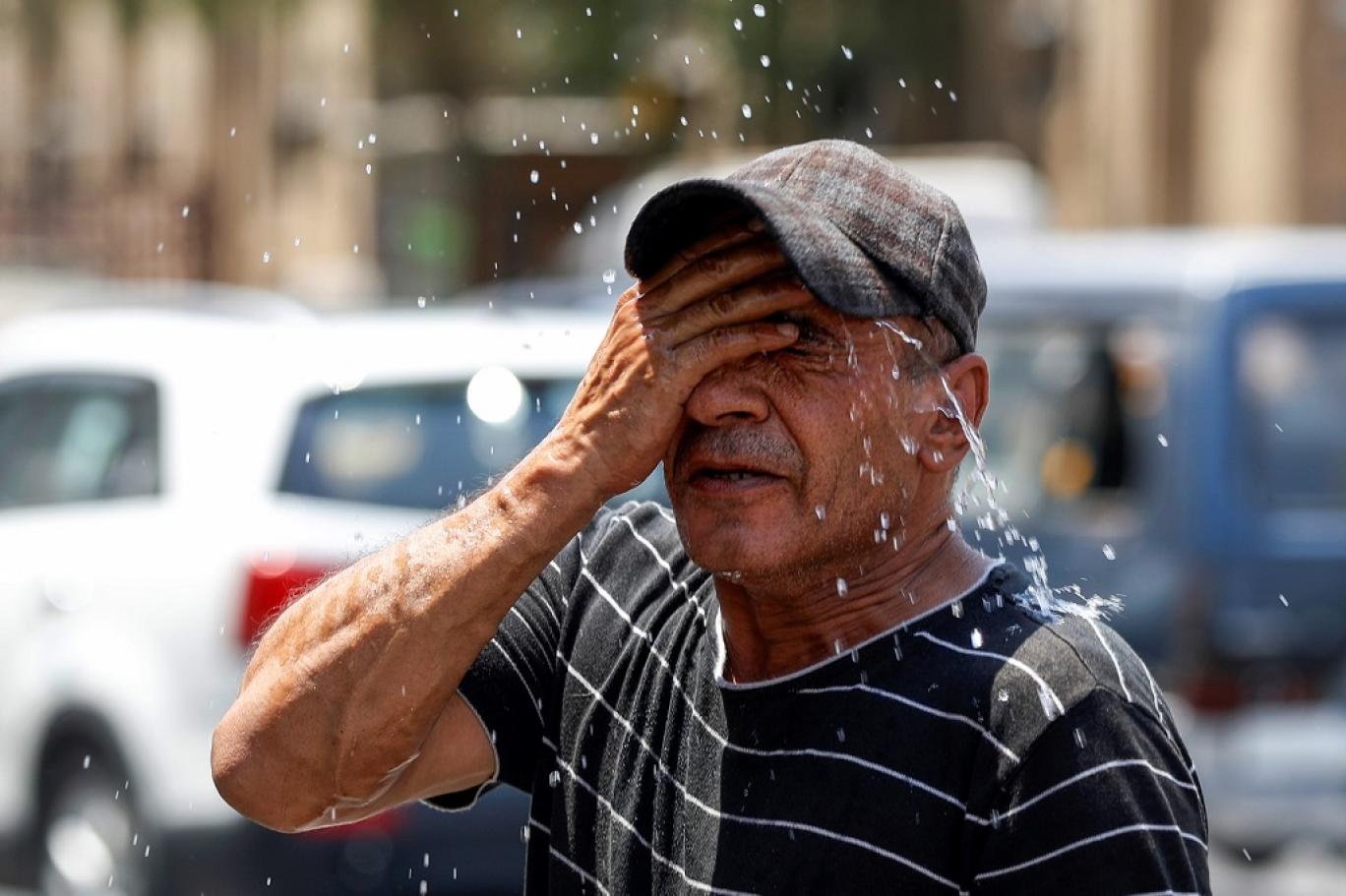
Rising temperatures have become one of the most serious environmental challenges facing Iraq. During the summer, the country experiences extreme heat waves, with temperatures in some areas exceeding 50°C. This problem is connected to global climate change as well as Iraq’s naturally hot and dry climate. Its effects can be seen in public health, water resources, agriculture, the environment, and the economy.
Causes of Rising Temperatures in Iraq
Iraq has a generally hot and dry climate, but climate change is making extreme heat more frequent and severe. One of the main causes of global warming is the increasing concentration of greenhouse gases in the atmosphere, especially from burning fossil fuels.
Other factors can worsen the situation in Iraq, including desertification, loss of vegetation, limited green spaces in cities, urban expansion, and increasing energy consumption. Reduced rainfall and water shortages also make the country more vulnerable to high temperatures and drought.
Evidence of Extreme Heat
Iraq has experienced extremely high temperatures in recent years. During severe summer heat waves, temperatures in several parts of the country have reached or exceeded 50°C.
Climate projections also indicate that Iraq is likely to become hotter in the coming decades. According to World Bank climate assessments, rising temperatures, declining rainfall, and increasing water scarcity could create serious environmental and economic challenges for the country.
Effects of Rising Temperatures
High temperatures have many negative effects on Iraqi society. Extreme heat can cause heat exhaustion, dehydration, and other health problems, particularly among children, older people, and workers who spend long periods outdoors.
Higher temperatures also increase the demand for electricity because people depend heavily on air conditioning and cooling systems during summer. This can place additional pressure on the electricity network.
Water resources are also affected. Higher temperatures increase evaporation, while Iraq already faces serious water shortages. Agriculture can suffer from drought, soil degradation, salinity, and insufficient water for irrigation. As a result, crop production and food security may be negatively affected.
Climate change can also contribute to desertification, land degradation, and more frequent dust and sandstorms, creating additional environmental and health problems.
Possible Solutions
Iraq can reduce the effects of rising temperatures by increasing green spaces and planting more trees, improving water management, using modern irrigation methods, and reducing unnecessary water consumption.
The country can also expand the use of renewable energy, especially solar power, improve energy efficiency, reduce greenhouse gas emissions, and develop infrastructure that can withstand extreme temperatures.
In addition, public awareness programs and early-warning systems for heat waves can help protect people during periods of extreme heat.
Conclusion
Rising temperatures in Iraq are not only a temporary summer problem but also a major consequence of climate change. Continued increases in temperature, combined with drought and water scarcity, could seriously affect public health, agriculture, natural resources, and the economy.
Therefore, Iraq needs long-term environmental policies that focus on protecting water resources, increasing green areas, expanding renewable energy, reducing emissions, and preparing communities for extreme heat and drought.